
How Search and Seizure Laws Affect Drug Crime Cases
March 16, 2026
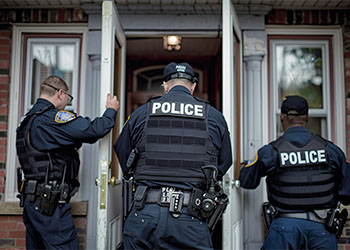 Drug-related offenses can be overwhelming, both legally and personally. Facing a drug charge isn’t just about understanding the law—it’s about managing the anxiety, uncertainty, and life-changing consequences that can follow. Knowing your rights and how courts handle search and seizure can make a meaningful difference in your defense.
If you’re dealing with a drug-related legal issue in North Carolina, reaching out for guidance can provide clarity and support. Rodrick A. Rouse, Attorney at Law, serves clients in High Point, North Carolina, and throughout Guilford County, Randolph County, Forsyth County, Alamance County, and Davidson County. If you’re facing a drug charge, call for guidance and support.
How Search and Seizure Laws Apply in Drug Cases
Search and seizure laws protect citizens from illegal intrusions by law enforcement under the Fourth Amendment. In drug crime cases, these laws are especially significant because evidence collected during an unlawful search can’t be used against you in court. Police must follow specific procedures when obtaining evidence or conducting searches for drug offenses.
Courts rigorously review how evidence is obtained. If the search and seizure was conducted improperly—without probable cause, a valid warrant, or under a prohibited method—the court will exclude that evidence. This principle is crucial in drug crime cases because most prosecutions rely heavily on physical evidence like controlled substances and paraphernalia.
Common Scenarios Where Search and Seizure Is Contested
There are several situations in drug crime cases where search and seizure issues arise. Understanding these scenarios helps you recognize when your rights might have been violated:
Traffic stops: Police can search your vehicle if they have probable cause to believe drugs are present. However, if they conduct a search without a clear justification, the evidence collected can’t be admitted in court.
Home searches: Law enforcement must obtain a valid warrant before entering your home, except in emergency situations such as imminent danger or destruction of evidence. An improper entry can lead to suppression of any discovered drugs.
Consent searches: Giving police permission to search can be complicated. Consent must be voluntary and informed; otherwise, any evidence found may be excluded.
Searches during arrests: When police arrest someone, they can search the person and the immediate surrounding area for weapons or contraband. If the scope of the search exceeds legal limits, evidence may be challenged.
Electronic devices: Modern cases often involve searching phones, computers, or cloud accounts. Courts require clear legal authority or a warrant for these searches; otherwise, evidence can be dismissed.
Recognizing how these scenarios affect your case helps you see where a lawyer’s guidance can protect your rights. Rodrick A. Rouse, Attorney at Law, reviews each search and seizure instance to determine whether evidence should be admitted. This is a crucial step in building a strong defense.
How Courts Evaluate Evidence From Searches
Courts have strict rules for evaluating evidence gathered through search and seizure. They examine how the evidence was collected, whether law enforcement followed proper procedures, and whether any exceptions apply. Understanding the court’s evaluation can help you see why certain evidence may be removed from your case:
Probable cause: Courts check if officers had sufficient facts to justify the search. Evidence seized without probable cause isn’t admissible.
Warrant validity: Courts verify whether the warrant was properly issued, including whether the descriptions of places or items to be searched are accurate. Improper execution of warrants leads to the exclusion of evidence.
Consent authenticity: Courts examine whether consent was freely given. If consent is coerced or uninformed, evidence will be suppressed.
Search scope: Courts confirm that the search didn’t exceed legal limits. Any items found outside the permissible scope can’t be used.
Exigent circumstances: Courts recognize emergency situations, such as the imminent destruction of drugs, but evidence must still meet strict criteria to be admitted.
By challenging evidence obtained in violation of search-and-seizure laws, an experienced criminal defense lawyer can weaken the prosecution’s case. This can result in dropped charges, reduced sentences, or dismissal of key evidence. Each drug crime case is unique, so it’s essential to speak with a lawyer about the specifics of your situation.
Impacts of Search and Seizure Violations on Case Outcomes
Violations of search and seizure laws can have a profound effect on drug cases. When courts determine that evidence was illegally obtained, it significantly alters the trajectory of a case.
Violations of search and seizure laws can significantly impact drug cases. Illegally obtained drugs or paraphernalia are removed from the case, weakening the prosecution’s argument and, in some instances, leading to full dismissal of charges if sufficient admissible evidence is lacking.
Even when charges remain, suppressed evidence can result in reduced sentences and give your defense attorney leverage during plea negotiations. Successfully challenging unlawful searches also reinforces your constitutional rights, providing important protection against future violations.
Courts are strict about protecting citizens from improper search and seizure, especially in drug cases where the stakes are high. It’s important to speak with a lawyer about which violations may have occurred in your situation, as this determines the remedies available.
Facing Drug Charges With Confidence
Facing a drug charge can feel isolating and frightening. Many people worry about their freedom, employment, and family while dealing with the stress of a criminal case. Understanding how search and seizure laws affect your situation gives you an important tool to protect yourself and your future.
Rodrick A. Rouse, Attorney at Law, helps clients in High Point, North Carolina, and throughout Guilford County, Randolph County, Forsyth County, Alamance County, and Davidson County to challenge illegal searches and build stronger defenses. Contact Rodrick A. Rouse, Attorney at Law, to discuss your case, protect your rights, and understand how search and seizure laws affect your defense.